








Intro This article aims to illustrate the steps taken during a small-scale research effort to identify new elements and event handlers that can be exploited in XSS attacks. One of the largest and most widely used repository for XSS payloads is the PortSwigger XSS cheat sheet [1]. This repository contains all the XSS attack payloads […]

The original bug affected the gRPC and QUIC transports in CoreDNS. At a high level, the problem was that these transports checked whether a TSIG key name existed in the server configuration, but they did not actually verify the HMAC attached to the DNS message. That sounds like a small implementation detail, but in authentication […]

TL;DR Two Remote Code Execution (RCE) vulnerabilities were identified in datapizza-ai framework: What is datapizza-ai Source here https://github.com/datapizza-labs/datapizza-ai. CVE-2026-2969 The vulnerability is caused by the usage of vulnerable functions of Jinja2 template engine (datapizza-ai-core/datapizza/modules/prompt/prompt.py, source here https://github.com/datapizza-labs/datapizza-ai/blob/v0.0.2/datapizza-ai-core/datapizza/modules/prompt/prompt.py). To reproduce the exploit we have to install datapizza-ai: Create a python file with the following content: Execute […]

TL;DR A command injection vulnerability in the function tool run_ssh_command_with_credentials() available to AI agents in cai-framework <= 0.5.9 allows to achieve Remote Command Execution. This post describes a vulnerability I discovered in the CAI framework in which incomplete shell escaping inside a tool accessible to AI agents allowed hostile targets to trigger command execution on […]
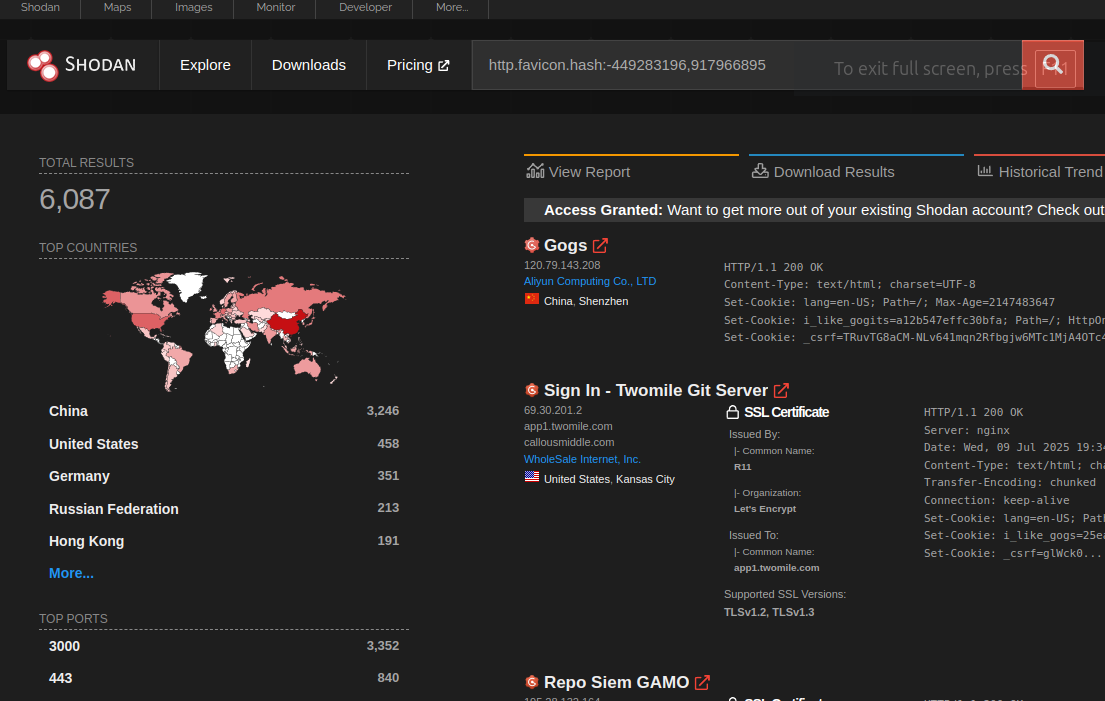
TL;DR Gogs is an open source self-hosted Git service. In the version 0.13.2 and prior, there is a stored Cross-Site Scripting (XSS) vulnerability, which allows client-side Javascript code execution. The vulnerability is caused by the usage of a vulnerable and outdated component: pdfjs-1.4.20 under public/plugins/. This issue has been fixed for gogs.io/gogs in version 0.13.3. […]

TL;DR A Server-Side Template Injection (SSTI) vulnerability in spacy-llm <= v0.7.2 allows attackers to execute arbitrary code via injecting a crafted payload into the template field. Update spacy-llm to version v0.7.3 or later. What is spaCy spaCy is an open-source software library for advanced natural language processing (NLP), written in the programming languages Python and […]
TL;DR A Server Side Template Injection in changedetection.io caused by usage of unsafe functions of Jinja2 allows Remote Command Execution on the server host. Update changedetection.io to version 0.45.21 or later. A huge thanks to the mantainer (https://github.com/dgtlmoon) that was very responsive and collaborative to fix the issue, request a CVE number and inform the […]
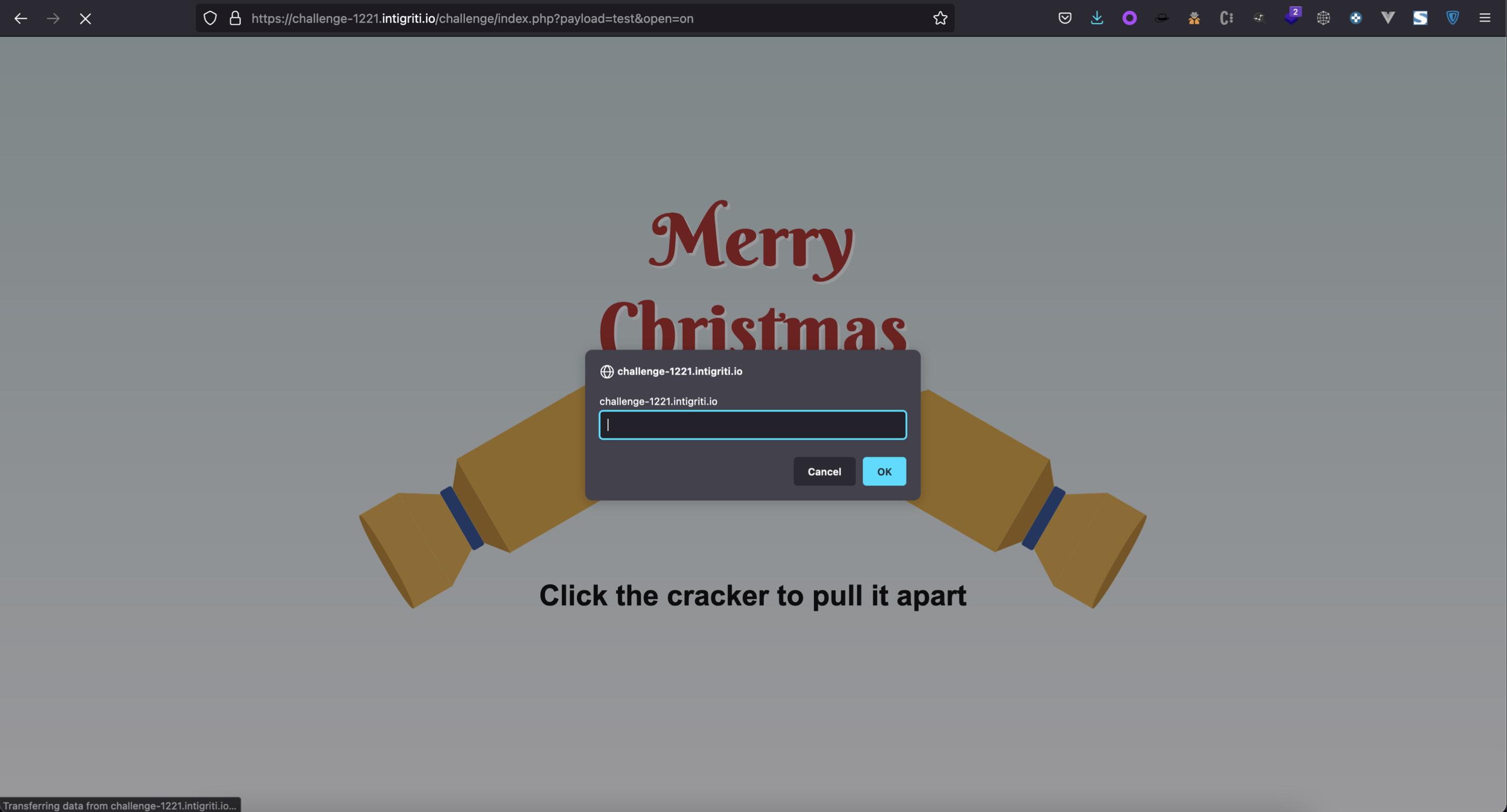
The approach to this challenge was completely different from the past two months, as the vulnerable component was on the backend, forcing us to approach it as a black box scenario. The page presents a simple submittable get form providing the open and payload parameters. To reach that from the UI, a user has to […]
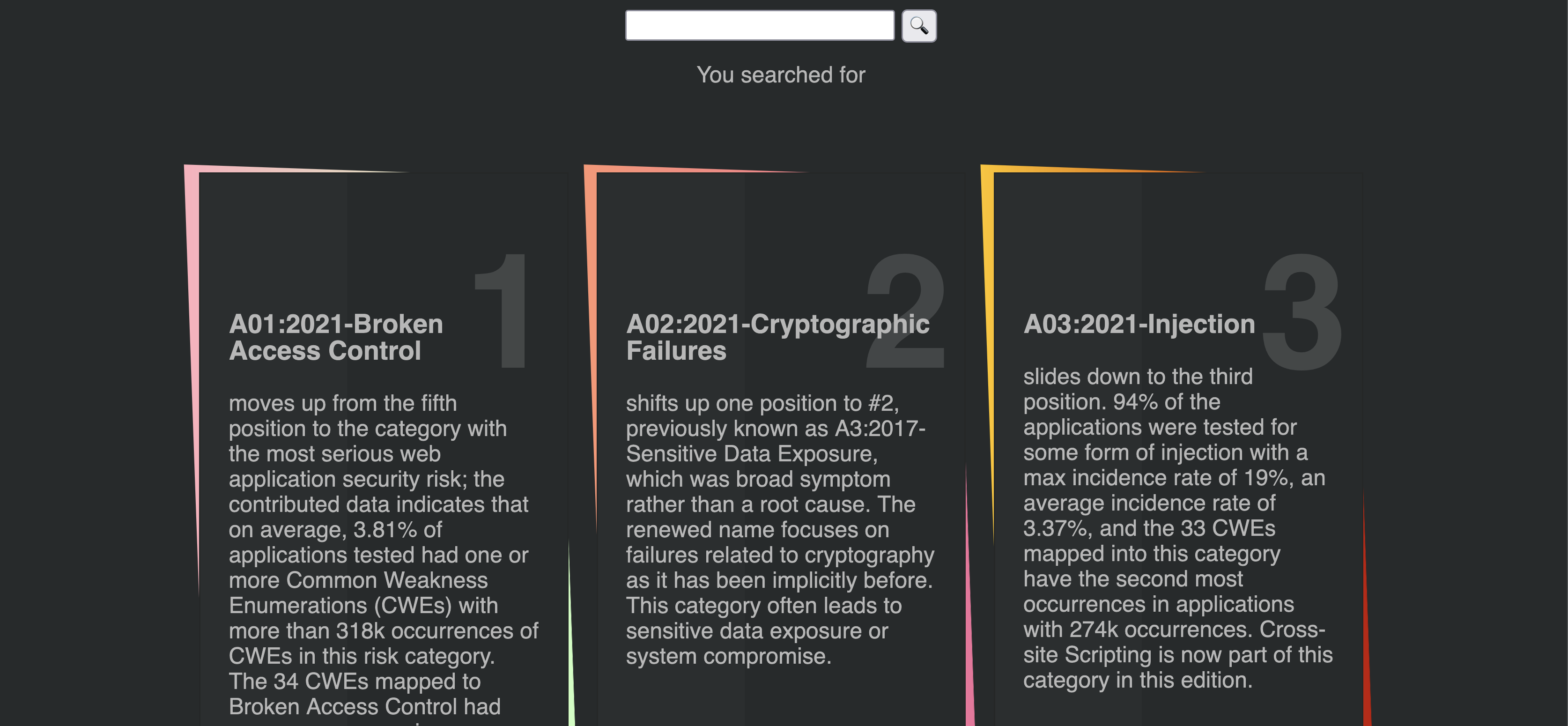
The bug bounty program Intigriti hosts an XSS challenge every month. This time, the challenge was about bypassing CSP by reloading a VueJS instance, getting able to exploit a client side template injection. My solution can be summarized in 4 main steps: Finding reflection and achieving HTML Injection Accessing an abusable piece of code, containing […]
Preface As part of our recent research activity, we stumbled upon FormaLMS. The project is an open source Learning Management System built by forma.association and aimed at companies who want a learning platform for internal employees, partners, dealers and sellers. The project is opensource and could be downloaded from the main website: formalms.org and the […]